Items filtered by date: June 2025
Wounds That Don't Heal Need to Be Checked

Your feet are covered most of the day. If you're diabetic, periodic screening is important for good health. Numbness is often a sign of diabetic foot and can mask a sore or wound.
Prioritizing Foot Wound Care for Better Health and Mobility

Proper wound care on the feet is essential for preventing infections, promoting healing, and maintaining overall foot health. This is especially important for individuals with diabetes or circulation issues. Simple daily habits can make a big difference, such as checking the feet for red spots, blisters, or cuts, wearing properly fitting shoes, and performing regular foot inspections. Engaging in physical activity helps to increase circulation and supports tissue repair. A podiatrist can provide expert guidance on wound management, recommend appropriate footwear, and treat any existing foot conditions that may slow healing. If you notice any unusual changes or slow-healing wounds on your feet, it is strongly suggested that you consult a podiatrist for personalized care and support.
Wound care is an important part in dealing with diabetes. If you have diabetes and a foot wound or would like more information about wound care for diabetics, consult with Dr. John P. Beaupied from Palos Podiatry. Our doctor will assess your condition and provide you with quality foot and ankle treatment.
What Is Wound Care?
Wound care is the practice of taking proper care of a wound. This can range from the smallest to the largest of wounds. While everyone can benefit from proper wound care, it is much more important for diabetics. Diabetics often suffer from poor blood circulation which causes wounds to heal much slower than they would in a non-diabetic.
What Is the Importance of Wound Care?
While it may not seem apparent with small ulcers on the foot, for diabetics, any size ulcer can become infected. Diabetics often also suffer from neuropathy, or nerve loss. This means they might not even feel when they have an ulcer on their foot. If the wound becomes severely infected, amputation may be necessary. Therefore, it is of the upmost importance to properly care for any and all foot wounds.
How to Care for Wounds
The best way to care for foot wounds is to prevent them. For diabetics, this means daily inspections of the feet for any signs of abnormalities or ulcers. It is also recommended to see a podiatrist several times a year for a foot inspection. If you do have an ulcer, run the wound under water to clear dirt from the wound; then apply antibiotic ointment to the wound and cover with a bandage. Bandages should be changed daily and keeping pressure off the wound is smart. It is advised to see a podiatrist, who can keep an eye on it.
If you have any questions please contact our office located in Palos Heights, IL . We offer the newest diagnostic and treatment technologies for all your foot and ankle needs.
Flat Foot Surgery May Restore Structure and Comfort

Flat foot surgery is a procedure used to correct fallen arches when conservative treatments do not provide relief. Flat feet may result from genetics, injury, or conditions such as arthritis and tendon dysfunction. The surgery typically involves repairing tendons, realigning bones, or fusing joints to restore proper foot shape and function. Recovery time varies based on the type of procedure, but often includes rest and gradual return to activity. A podiatrist can determine if surgery is necessary after a thorough evaluation and imaging studies. They also guide patients through each phase of treatment. If flat feet are affecting your mobility or causing pain, it is suggested that you speak with a podiatrist about your options for long-term relief and improved function.
Foot surgery is sometimes necessary to treat a foot ailment. To learn more, contact Dr. John P. Beaupied of Palos Podiatry. Our doctor will assist you with all of your foot and ankle needs.
When Is Surgery Necessary?
Foot and ankle surgery is generally reserved for cases in which less invasive, conservative procedures have failed to alleviate the problem. Some of the cases in which surgery may be necessary include:
- Removing foot deformities like bunions and bone spurs
- Severe arthritis that has caused bone issues
- Cosmetic reconstruction
What Types of Surgery Are There?
The type of surgery you receive will depend on the nature of the problem you have. Some of the possible surgeries include:
- Bunionectomy for painful bunions
- Surgical fusion for realignment of bones
- Neuropathy decompression surgery to treat nerve damage
Benefits of Surgery
Although surgery is usually a last resort, it can provide more complete pain relief compared to non-surgical methods and may allow you to finally resume full activity.
Surgical techniques have also become increasingly sophisticated. Techniques like endoscopic surgery allow for smaller incisions and faster recovery times.
If you have any questions, please feel free to contact our office located in Palos Heights, IL . We offer the newest diagnostic and treatment technologies for all your foot care needs.
Causes and Symptoms of Heel Spurs
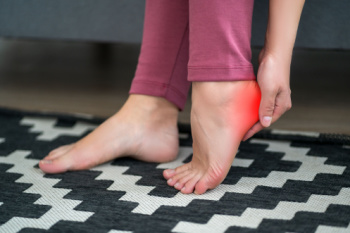
Heel spurs are bony growths that develop on the underside of the heel bone, often due to long-term strain on foot muscles and ligaments. They are commonly associated with plantar fasciitis, a condition that causes inflammation of the band of tissue connecting the heel to the toes. People who run frequently, wear unsupportive shoes, or have flat feet or high arches are more likely to develop heel spurs. Symptoms include sharp, stabbing pain in the heel, especially with the first steps in the morning or after long periods of rest. The pain often eases with movement, but may return after standing or walking for extended periods of time. A podiatrist can diagnose heel spurs using a physical exam and imaging such as X-rays. Treatment includes custom orthotics, targeted exercises, or anti-inflammatory medications. In rare cases, surgery may be recommended. If you have heel pain, it is suggested that you schedule an appointment with a podiatrist who can accurately diagnose and treat heel spurs.
Heel spurs can be incredibly painful and sometimes may make you unable to participate in physical activities. To get medical care for your heel spurs, contact Dr. John P. Beaupied from Palos Podiatry. Our doctor will do everything possible to treat your condition.
Heels Spurs
Heel spurs are formed by calcium deposits on the back of the foot where the heel is. This can also be caused by small fragments of bone breaking off one section of the foot, attaching onto the back of the foot. Heel spurs can also be bone growth on the back of the foot and may grow in the direction of the arch of the foot.
Older individuals usually suffer from heel spurs and pain sometimes intensifies with age. One of the main condition's spurs are related to is plantar fasciitis.
Pain
The pain associated with spurs is often because of weight placed on the feet. When someone is walking, their entire weight is concentrated on the feet. Bone spurs then have the tendency to affect other bones and tissues around the foot. As the pain continues, the feet will become tender and sensitive over time.
Treatments
There are many ways to treat heel spurs. If one is suffering from heel spurs in conjunction with pain, there are several methods for healing. Medication, surgery, and herbal care are some options.
If you have any questions, please feel free to contact our office located in Palos Heights, IL . We offer the newest diagnostic and treatment technologies for all your foot care needs.
Pros and Cons of Walking With Gout

Walking is generally safe for people with gout, especially when the condition is under control. Gout commonly affects the big toe joint, but it can also involve the lesser toes and ankles. Symptoms include intense pain, redness, and swelling during flare-ups. While joint-friendly activity like walking may help reduce stiffness and maintain mobility, such activity during a flare can increase discomfort and affect function. Pain in the foot or ankle may alter a person’s walking pattern and lead to slower steps or reduced ankle movement, especially in chronic cases. During a gout flare, rest is often needed to avoid worsening inflammation in the affected joint. Once the flare subsides, gradual walking may resume with wearing supportive footwear and care to avoid strain. A podiatrist can assess joint health, suggest exercise goals, and monitor for permanent joint changes. If you have foot pain from flare-ups of gout, it is suggested that you schedule an appointment with a podiatrist for guidance regarding appropriate levels of activity.
Gout is a painful condition that can be treated. If you are seeking treatment, contact Dr. John P. Beaupied from Palos Podiatry. Our doctor will treat your foot and ankle needs.
What Is Gout?
Gout is a form of arthritis that is characterized by sudden, severe attacks of pain, redness, and tenderness in the joints. The condition usually affects the joint at the base of the big toe. A gout attack can occur at any random time, such as the middle of the night while you are asleep.
Symptoms
- Intense Joint Pain - Usually around the large joint of your big toe, and it most severe within the first four to twelve hours
- Lingering Discomfort - Joint discomfort may last from a few days to a few weeks
- Inflammation and Redness -Affected joints may become swollen, tender, warm and red
- Limited Range of Motion - May experience a decrease in joint mobility
Risk Factors
- Genetics - If family members have gout, you’re more likely to have it
- Medications - Diuretic medications can raise uric acid levels
- Gender/Age - Gout is more common in men until the age of 60. It is believed that estrogen protects women until that point
- Diet - Eating red meat and shellfish increases your risk
- Alcohol - Having more than two alcoholic drinks per day increases your risk
- Obesity - Obese people are at a higher risk for gout
Prior to visiting your podiatrist to receive treatment for gout, there are a few things you should do beforehand. If you have gout you should write down your symptoms--including when they started and how often you experience them, important medical information you may have, and any questions you may have. Writing down these three things will help your podiatrist in assessing your specific situation so that he or she may provide the best route of treatment for you.
If you have any questions, please feel free to contact our office located in Palos Heights, IL . We offer the newest diagnostic and treatment technologies for all your foot care needs.


