Items filtered by date: February 2026
Plantar Warts Can Be Treated!

Plantar warts are small growths that develop on parts of the feet that bear weight. They're typically found on the bottom of the foot. Don't live with plantar warts, and call us today!
Understanding Types of Lisfranc Injuries
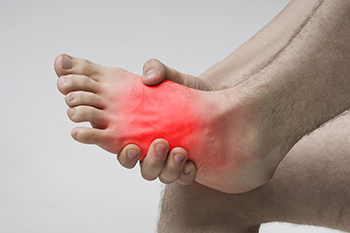
A Lisfranc injury involves the midfoot joints and ligaments that connect the forefoot to the arch, an area responsible for stability during standing and walking. Injuries range from mild to severe and may include ligament sprains, fractures of the midfoot bones, or joint dislocations. A sprain develops when supporting ligaments stretch or tear, while fractures and dislocations disturb normal bone alignment. This joint complex provides stability rather than movement, making proper healing important. Causes include low-energy twisting injuries such as slips or falls, as well as high-impact trauma. Sports that require pushing off or contact place added stress on the midfoot. More serious injuries are often linked to car accidents, falls from height, or crush injuries, and can lead to chronic pain, arthritis, or foot deformity. If you have symptoms of a Lisfranc injury in your foot, it is suggested that you make an appointment with a podiatrist for help.
Foot Pain
Foot pain can be extremely painful and debilitating. If you have a foot pain, consult with Dr. John P. Beaupied from Palos Podiatry. Our doctor will assess your condition and provide you with quality foot and ankle treatment.
Causes
Foot pain is a very broad condition that could be caused by one or more ailments. The most common include:
- Bunions
- Hammertoes
- Plantar Fasciitis
- Bone Spurs
- Corns
- Tarsal Tunnel Syndrome
- Ingrown Toenails
- Arthritis (such as Gout, Rheumatoid, and Osteoarthritis)
- Flat Feet
- Injury (from stress fractures, broken toe, foot, ankle, Achilles tendon ruptures, and sprains)
- And more
Diagnosis
To figure out the cause of foot pain, podiatrists utilize several different methods. This can range from simple visual inspections and sensation tests to X-rays and MRI scans. Prior medical history, family medical history, and any recent physical traumatic events will all be taken into consideration for a proper diagnosis.
Treatment
Treatment depends upon the cause of the foot pain. Whether it is resting, staying off the foot, or having surgery; podiatrists have a number of treatment options available for foot pain.
If you have any questions, please feel free to contact our office located in Palos Heights, IL . We offer the newest diagnostic and treatment technologies for all your foot care needs.
When a Bunion Is More Than a Bump
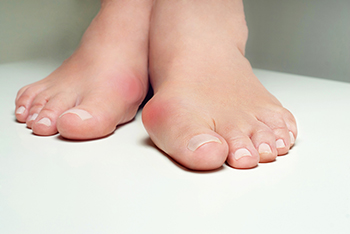
A bunion is a common foot deformity that develops when there is a visible bump at the base of the joint in the big toe as the toe shifts towards the smaller toes. Bunions are also known as hallux valgus, a medical term that describes the angled position of the big toe. Some people refer to them as metatarsophalangeal joint deformities, although this term is used less often outside of clinical settings. Bunions may be painless at first, but over time, they can lead to redness, swelling, stiffness, and difficulty wearing certain shoes. Genetics, foot structure, arthritis, and long-standing pressure from narrow footwear all play a role in their development. Diagnosis usually involves a physical exam, discussion of symptoms, and imaging such as X-rays to evaluate joint alignment and severity. If a bunion becomes painful, interferes with walking, or continues to worsen, it is suggested that you see a podiatrist for a proper diagnosis and appropriate treatment.
If you are suffering from bunions, contact Dr. John P. Beaupied of Palos Podiatry. Our doctor can provide the care you need to keep you pain-free and on your feet.
What Is a Bunion?
A bunion is formed of swollen tissue or an enlargement of boney growth, usually located at the base joint of the toe that connects to the foot. The swelling occurs due to the bones in the big toe shifting inward, which impacts the other toes of the foot. This causes the area around the base of the big toe to become inflamed and painful.
Why Do Bunions Form?
Genetics – Susceptibility to bunions are often hereditary
Stress on the feet – Poorly fitted and uncomfortable footwear that places stress on feet, such as heels, can worsen existing bunions
How Are Bunions Diagnosed?
Podiatrists often perform two tests – blood tests and x-rays – when trying to diagnose bunions, especially in the early stages of development. Blood tests help determine if the foot pain is being caused by something else, such as arthritis, while x-rays provide a clear picture of your bone structure to your provider.
How Are Bunions Treated?
- Refrain from wearing heels or similar shoes that cause discomfort
- Select wider shoes that can provide more comfort and reduce pain
- Anti-inflammatory and pain management drugs
- Orthotics or foot inserts
- Surgery
If you have any questions, please feel free to contact our office located in Palos Heights, IL . We offer the newest diagnostic and treatment technologies for all your foot care needs.
When Ingrown Toenail Surgery Brings Lasting Relief

Ingrown toenails occur when the edge of the nail grows into surrounding skin, causing pain, swelling, and redness. Conservative care may help early cases, but ongoing infections or repeated flare-ups often require a minor surgical procedure. Ingrown toenail surgery is performed in the office using local anesthesia. The problematic portion of the nail is carefully removed, and the nail root may be treated to prevent regrowth. This approach reduces pain and lowers the chance of recurrence. Recovery is usually quick, with most patients returning to normal activities within days. Keeping the area clean and following aftercare instructions supports proper healing. If an ingrown toenail keeps returning, becomes infected, or interferes with daily comfort, it is suggested that you see a podiatrist for a proper diagnosis and appropriate treatment, which may include minor surgery.
Foot surgery is sometimes necessary to treat a foot ailment. To learn more, contact Dr. John P. Beaupied of Palos Podiatry. Our doctor will assist you with all of your foot and ankle needs.
When Is Surgery Necessary?
Foot and ankle surgery is generally reserved for cases in which less invasive, conservative procedures have failed to alleviate the problem. Some of the cases in which surgery may be necessary include:
- Removing foot deformities like bunions and bone spurs
- Severe arthritis that has caused bone issues
- Cosmetic reconstruction
What Types of Surgery Are There?
The type of surgery you receive will depend on the nature of the problem you have. Some of the possible surgeries include:
- Bunionectomy for painful bunions
- Surgical fusion for realignment of bones
- Neuropathy decompression surgery to treat nerve damage
Benefits of Surgery
Although surgery is usually a last resort, it can provide more complete pain relief compared to non-surgical methods and may allow you to finally resume full activity.
Surgical techniques have also become increasingly sophisticated. Techniques like endoscopic surgery allow for smaller incisions and faster recovery times.
If you have any questions, please feel free to contact our office located in Palos Heights, IL . We offer the newest diagnostic and treatment technologies for all your foot care needs.
Foot Exercises to Relieve Tight Ankles and Foot Pain

Tight ankles, calves, and foot pain can significantly affect mobility and comfort. To relieve these issues, certain foot exercises can be highly effective. One simple exercise is ankle stretches, where you gently pull the foot towards you, holding for several seconds to stretch the ankle. This helps release tightness and improve flexibility. To target tight calves, try calf stretches by standing with your hands against a wall and leaning forward to stretch the calf muscles. Another useful exercise is the towel stretch, where you sit with your legs extended, using a towel around the foot to pull it towards you, stretching both the calves and the foot. Additionally, rolling a tennis ball under the foot can alleviate tension and promote blood circulation. Regularly performing these exercises can help reduce pain, increase flexibility, and improve overall foot health. If you have sustained foot pain, it is suggested that you consult a podiatrist who can treat various foot conditions, and guide you on how to practice appropriate foot exercises.
Exercising your feet regularly with the proper foot wear is a great way to prevent injuries and build strength. If you have any concerns about your feet, contact Dr. John P. Beaupied from Palos Podiatry. Our doctor can provide the care you need to keep you pain-free and on your feet.
Exercise for Your Feet
Exercise for your feet can help you gain strength, mobility and flexibility in your feet. They say that strengthening your feet can be just as rewarding as strengthening another part of the body. Your feet are very important, and we often forget about them in our daily tasks. But it is because of our feet that are we able to get going and do what we need to. For those of us fortunate enough to not have any foot problems, it is an important gesture to take care of them to ensure good health in the long run.
Some foot health exercises can include ankle pumps, tip-toeing, toe rises, lifting off the floor doing reps and sets, and flexing the toes. It is best to speak with Our doctor to determine an appropriate regimen for your needs. Everyone’s needs and bodies are different, and the activities required to maintain strength in the feet vary from individual to individual.
Once you get into a routine of doing regular exercise, you may notice a difference in your feet and how strong they may become.
If you have any questions, please feel free to contact our office located in Palos Heights, IL . We offer the newest diagnostic and treatment technologies for all your foot care needs.


